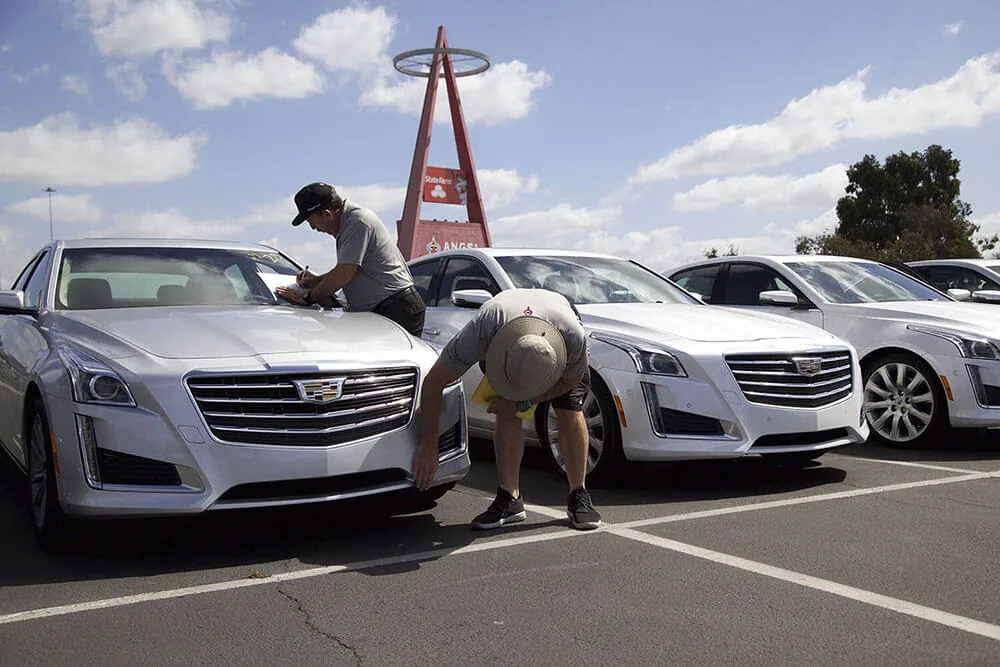
At a consumer auto show, a ride and drive, or a multi day OEM program, the fleet does not fail because someone forgot a wash. It fails when a key is missing, mixed up, or handed to the wrong carrier at move out. ShowFleet has supported event fleets since 1986, and key management is one of the quiet controls that keeps every unit accounted for from arrival through closeout.
If you run OEM press and display fleets, own agency logistics for a client launch, or coordinate exhibit house move in, this is how event vehicle key management should work.
Why keys break show logistics
Display and pre production fleets rarely look like a dealer lot. Units arrive from different carriers, housing yards, and prior events. Colors repeat. Model years look the same from ten feet away. Spare fobs travel in separate bags. Overnight, vehicles may move between staging, the show floor, and a photo bay.
Without a clear tag system, teams waste time matching keys by trial and error, delay placement, or send a unit out with the wrong fob. A lost key on a high value unit can force a locksmith call or a delayed press shot. The fix is a tagging standard anyone on the crew can read at a glance.
The ShowFleet tagging standard
At ShowFleet, keys are tagged by make, model, color, and the last 4 of the VIN so each vehicle is easy to distinguish. That combination matters because:
- Make and model alone fail when you have six white sedans from the same brand.
- Color alone fails when two trims share a paint code under exhibit lighting.
- The last 4 of the VIN ties the key to the exact unit in your vehicle list, inspection report, and carrier paperwork.
When the vehicle list with VINs arrives before intake, tags and inspection logs can be built from the same source. The first pre show report you receive then matches your own records line for line. See Inspections for that intake handoff.
How key control fits the full event plan
Keys sit inside the same chain as inspections, de contenting, security, and move in and move out:
- Intake. Each vehicle is logged on arrival at staging. Keys are collected, tagged, and stored under control for the run of the show.
- Pre show inspection. A computer generated condition report is emailed before the show, recording damage, marks, and missing accessories. The key tag should match that vehicle record.
- De contenting. Removable parts that could be taken during the event are bagged, labeled, and secured until closeout.
- Show watch. Vehicles and keys should stay under controlled access overnight. Key access should stay limited to people who need to move a unit for placement, maintenance, or repair.
- Placement and maintenance. When a unit rolls to the floor or needs an hourly refresh under onsite event support, the right key has to be findable in seconds.
- Closeout. Post show inspection, accessories reinstalled, keys returned or handed to carriers with a clear unit match.
If a ding appears during the show, mobile dent, paint and glass repair can often restore the unit after close. That work still depends on pulling the correct vehicle and returning its key to the same tagged slot.
What OEM fleet managers should put in the brief
A useful RFP or scope note for event vehicle key management names more than "hold the keys." Spell out:
- Vehicle count, make, model, color, and full VIN (or at least last 4) before arrival
- How many keys or fobs travel with each unit, and who owns spares
- Whether units move between staging, the floor, photo, and ride and drive loops
- Who may request a key during show hours, and how that request is logged
- Carrier pickup window at move out, so keys and units leave together
- Whether the post show report and key handoff must feed the next city on a multi show tour
That clarity keeps accountability with the same partner who owns inspections.
Common failure modes to avoid
Teams that treat keys as an afterthought usually hit the same problems:
- Color only tags. Fine for two cars. Useless for a twenty unit press fleet.
- No VIN link. When paperwork and tags disagree, nobody knows which record is right.
- Keys left in vehicles overnight. Convenience for morning start up, risk for theft on a public floor.
- Separate owners for keys and inspections. When damage is disputed later, the team that held the keys and the team that wrote the report should be the same chain of custody.
- Late vehicle lists. Tags built on the dock from memory are where mix ups start.
Key management works best alongside inspections and accessory removal. Together, those controls answer the three questions that always come up after a public show: was that mark there before, where is that key, and where did that part go.
Not only passenger cars
The same tagging logic applies outside a standard auto show stand. Construction equipment, commercial vehicles, trucks, boats, RVs, trains and aircraft still need a unique identifier on the key or control set when similar units share a booth. See Trade Shows and Expos when your fleet is not passenger cars only.
Frequently asked questions
How does ShowFleet tag event vehicle keys?
Each key is tagged with make, model, color, and the last 4 of the VIN so every vehicle is easy to identify at a glance.
Why include the last 4 of the VIN on the key tag?
Make, model, and color often repeat across a press or display fleet. The last 4 of the VIN ties the key to the exact unit in your vehicle list, inspection report, and carrier paperwork.
Do you keep keys during the show?
Yes. Keys are tagged and kept under controlled access for the run of the show, then returned or handed to carriers at closeout.
How does key management connect to inspections?
Pre and post show inspections are computer generated reports emailed for each vehicle. Building tags and inspection logs from the same VIN list keeps both records aligned from intake through move out.
Can key management cover ride and drive or multi city tours?
Yes. Programs that move units between staging, the floor, and guest sessions, or that tour city to city, need the same tagging standard so the post show report from one event can become the arrival reference for the next.
Request a Quote
Tell us the event, dates, city and venue, vehicle count with VINs, and whether you need key management alone or the full plan with inspections, accessory removal, detailing, and move in. Request a Quote or email info@showfleet.com(949) 460-0314.
Related: Inspections · Move-In and Move-Out · Logistics · Auto Shows